
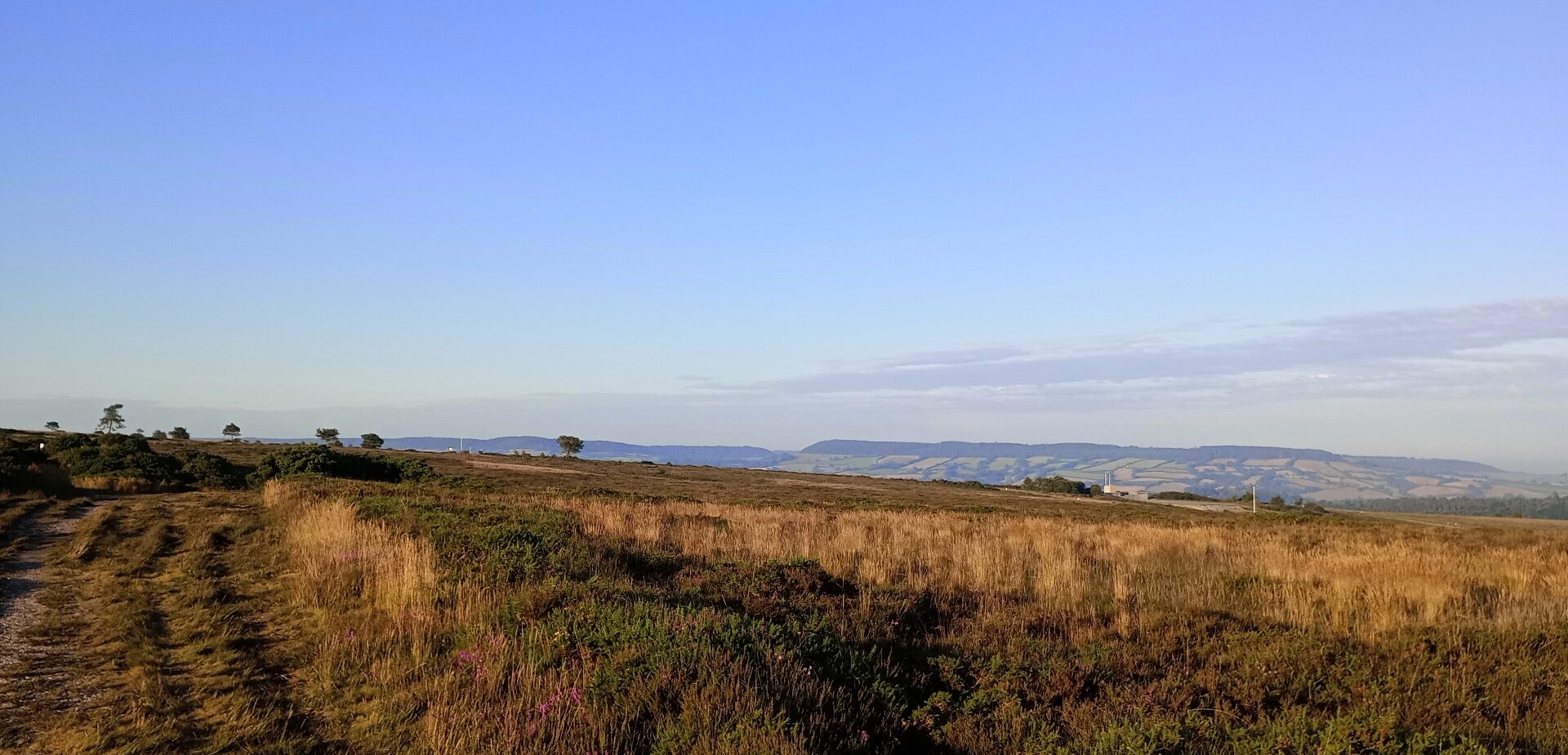
Plan your visit
School Groups
Learning outdoors is one of the most inspiring ways for young people to connect with nature. We offer free outdoor learning experiences across the Pebblebed Heaths and Otter Estuary for schools, colleges and youth groups in East Devon. Whether you are planning a selfled exploration or would like support from our team, we’re here to help you make the most of your visit.
Practical Information
Please ensure pupils follow the Countryside Code and respect wildlife.
Some areas may include grazing livestock — we’ll help you plan accordingly.
Paths vary in width and surface; we can advise on accessibility needs.
Contact Request Form
To discuss your visit or request support from our team, please use our Visit Request Form below or contact us directly at mail@pebblebedheaths.org.uk. We’re always happy to help you plan a rewarding, safe and memorable outdoor learning experience.
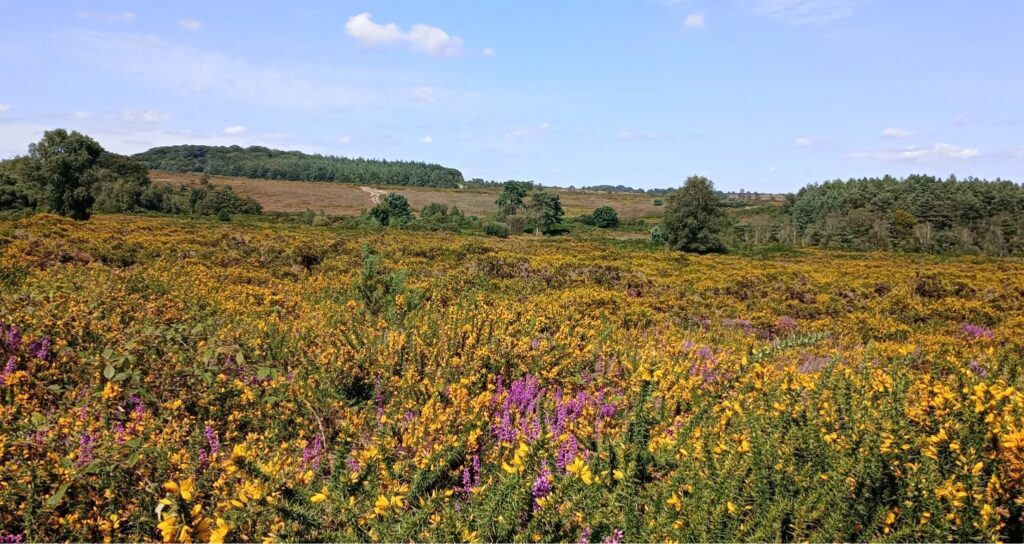
Pebblebed Heaths
Ideal for teachers who want to guide their own learning experience on the heaths. The reserve offers open habitats, woodland edges and a network of paths perfect for exploration and sensory discovery.
Our team can help you design a visit shaped around your learning goals. Activities may include wildlife spotting, habitat exploration, creative nature activities or handson tasks that build confidence outdoors.
The heaths offer opportunities for ecological sampling, species surveys, vegetation studies, and landuse investigations – ideal for GCSE, ALevel Environmental Science and further education fieldwork.
We welcome nonschool youth groups and can offer advice to help you make the most of your visit.
Activities may include:
- Exploring heathland, woodland and freshwater habitats
- Sensory and creative activities that promote confidence outdoors
- Handson tasks to learn about ecology and species adaptation
Activities can be selfled using downloadable resources or supported by our team.
- NEW ALevel Environmental Science Resources
Supporting environmental science fieldwork on heathland processes.
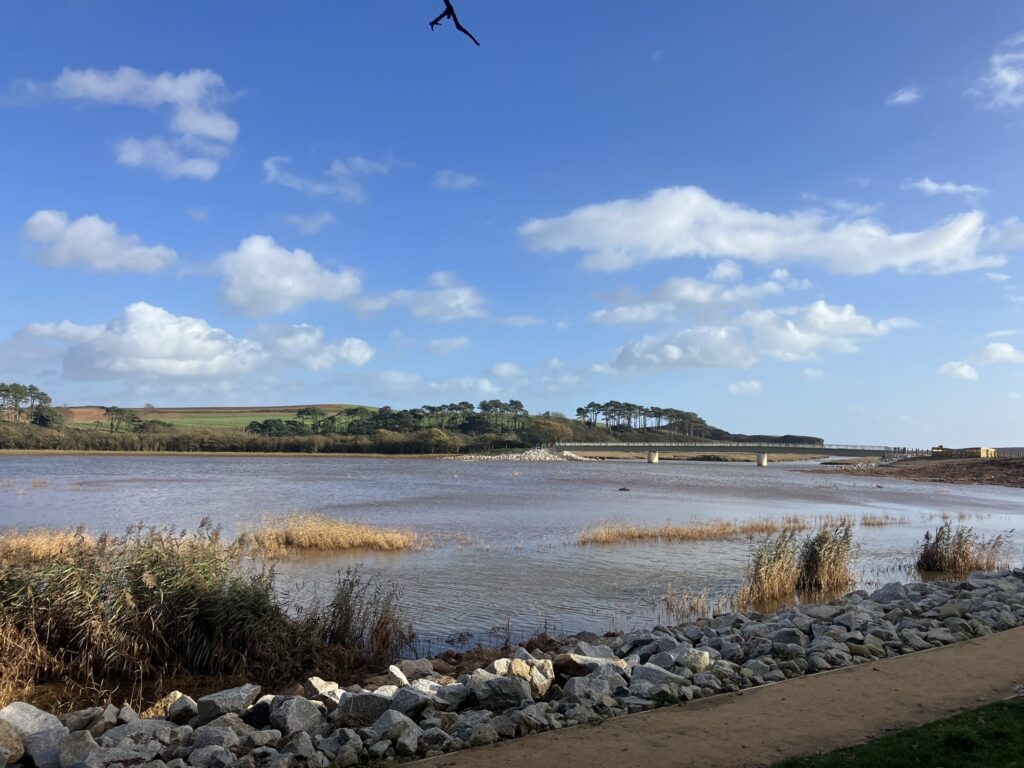
Otter Estuary
The Estuary’s level paths, viewing points and saltmarsh landscapes offer rich opportunities for geography, climate, and biodiversity learning.
Our team can help bring the Estuary’s story to life — from its wildlife to the major landscape changes created through the Lower Otter Restoration Project.
Ideal for geography and environmental science investigations, especially around:
- coastal realignment
- estuarine habitats
- landscape change and adaptation
- climate resilience
We welcome youth organisations to use the Estuary for nature, navigation or environmental sessions.
Activities may include:
- Observing birds and seasonal wildlife
- Exploring saltmarsh, mudflat and reedbed habitats
- Studying river processes and tidal influence
- Landscapechange walks linked to the Lower Otter Restoration Project
- KS3: Landscape Change – Lower Otter Restoration Project
- Check out our geography classroom resources to explore landscape change and why the Lower Otter was restored creating a sustainable solution to climate change. Created for us by Geography Southwest. Landscape change – Lower Otter Restoration Project – Geography South West
- GCSE: Coastal realignment – Lower Otter Restoration Project – Geography South West]
- Post-16 Sustainable coastal management – Lower Otter Restoration Project – Geography South West
We welcome nonschool youth groups and can offer advice to help you make the most of your visit. Get in touch via our Visit Request form.