What We Protect and Why
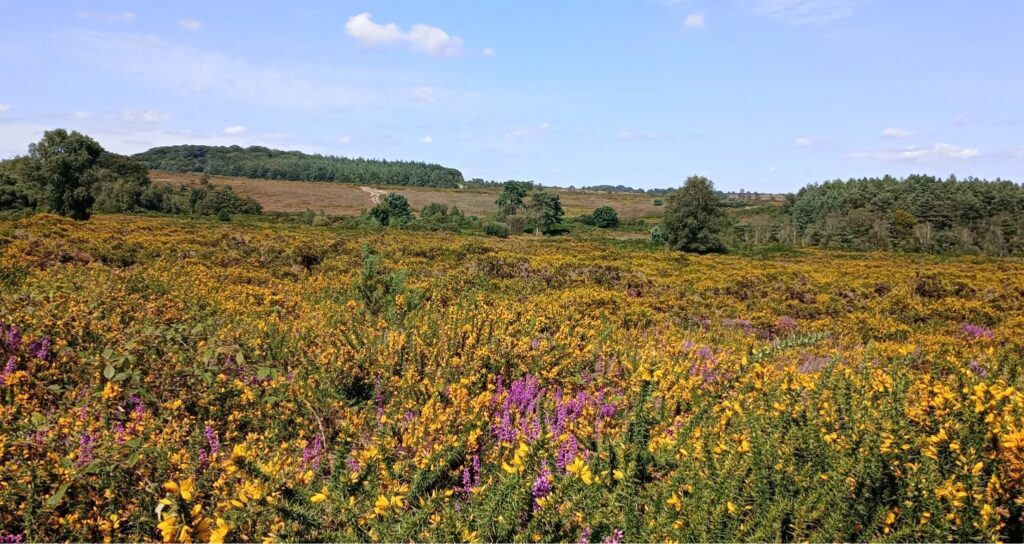
The Pebblebed Heaths and Otter Estuary are two of the most important wildlife landscapes in Devon and among the most precious lowland heathland and estuarine habitats in Europe. Our work protects the land, the wildlife that depends on it, and the connection people have with nature.
A Landscape of Rare Importance
The Pebblebed Heaths form the largest remaining area of lowland heath in Devon, supporting an unusually high proportion of rare and threatened species. This landscape has been shaped for thousands of years — from Bronze Age communities to modern-day visitors seeking space, freedom, and connection to the outdoors. Today, it receives more than 900,000 visits each year.
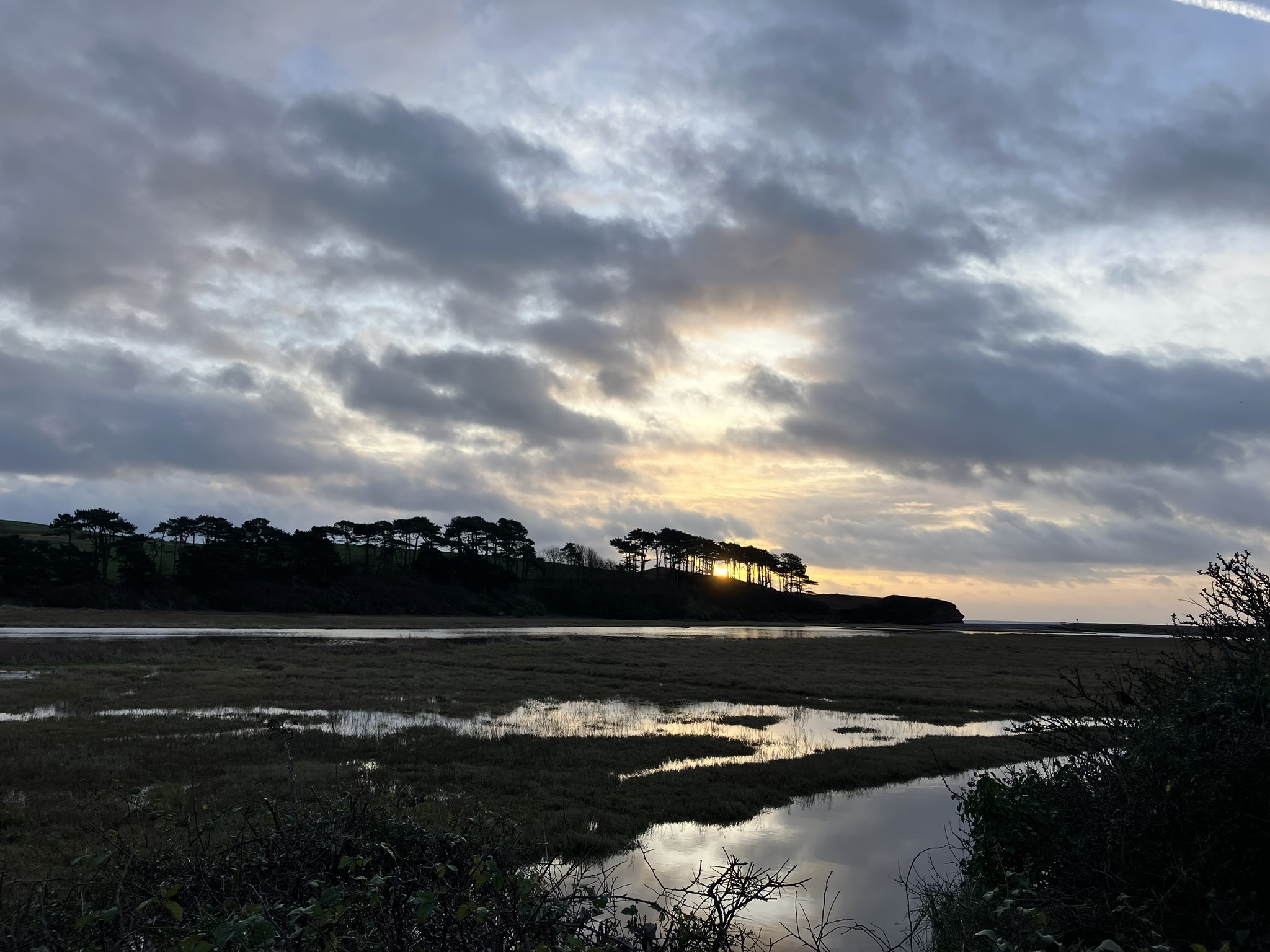
The Otter Estuary, designated a Site of Special Scientific Interest (SSSI), provides vital saltmarsh habitat and supports over 120 bird species, including several of high conservation concern.
These ecosystems are fragile yet deeply valuable: without active conservation, heathland quickly reverts to scrub or woodland, threatening the highly specialised species that depend on it.
Why It Matters
We protect these landscapes because they are:
Globally rare habitats
Lowland heathlands are vanishing across Europe. Their survival here requires careful, long-term management including grazing, scrub control, ecological monitoring, community involvement, and more.
Vital for climate resilience
Places like the Pebblebed Heaths act as climate refuges, giving wildlife the space and habitat diversity they need to adapt as conditions change.
Essential for people
These landscapes offer recreation, health, wellbeing, connection, and learning — benefits that are increasingly important for our communities.
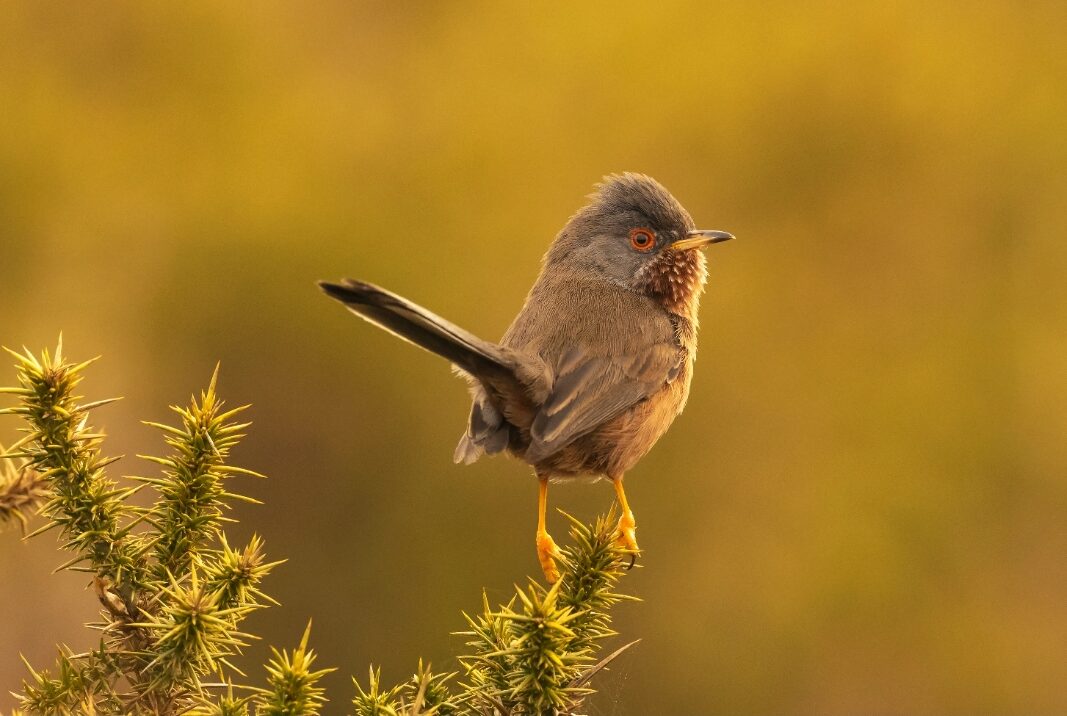
Species Story: The Dartford Warbler
The Dartford Warbler is one of the Pebblebed Heaths’ most iconic species – a small, charismatic bird with a bright eye and a surprisingly bold personality. It is also a powerful symbol of why our lowland heath is so important.
Dartford Warblers are heathland specialists, relying on open heathland landscapes rich in gorse and heather. Because these habitats are now so rare across Europe, the species has suffered major declines, especially during cold winters. Places like the Pebblebed Heaths have become crucial strongholds for their survival.
Thanks to decades of careful habitat management, including scrub clearance, conservation grazing, and heathland mosaic creation, the warbler is thriving here. In our most recent data, we recorded 209 Dartford Warbler territories, far exceeding conservation targets and underlining the importance of the Heaths as a refuge for this species.
Their success is not accidental. It reflects the constant work required to keep heathland open and healthy, preventing it from reverting to scrub and woodland, which would otherwise choke out the plants and insects the warbler depends on. This is why ongoing stewardship is essential: without active management, the habitat that sustains the Dartford Warbler — and many other rare species — simply disappears.
Why the Dartford Warbler matters
- It is a flagship species for lowland heath conservation.
- Its presence signals a healthy, functioning heathland ecosystem.
- Protecting the warbler means protecting a whole community of rare plants, insects, and other wildlife that rely on the same habitat.
- Its recovery shows that sustained conservation investment truly works.
The Dartford Warbler is a reminder of what’s at stake and what’s possible when we protect landscapes with care, science, and longterm commitment.
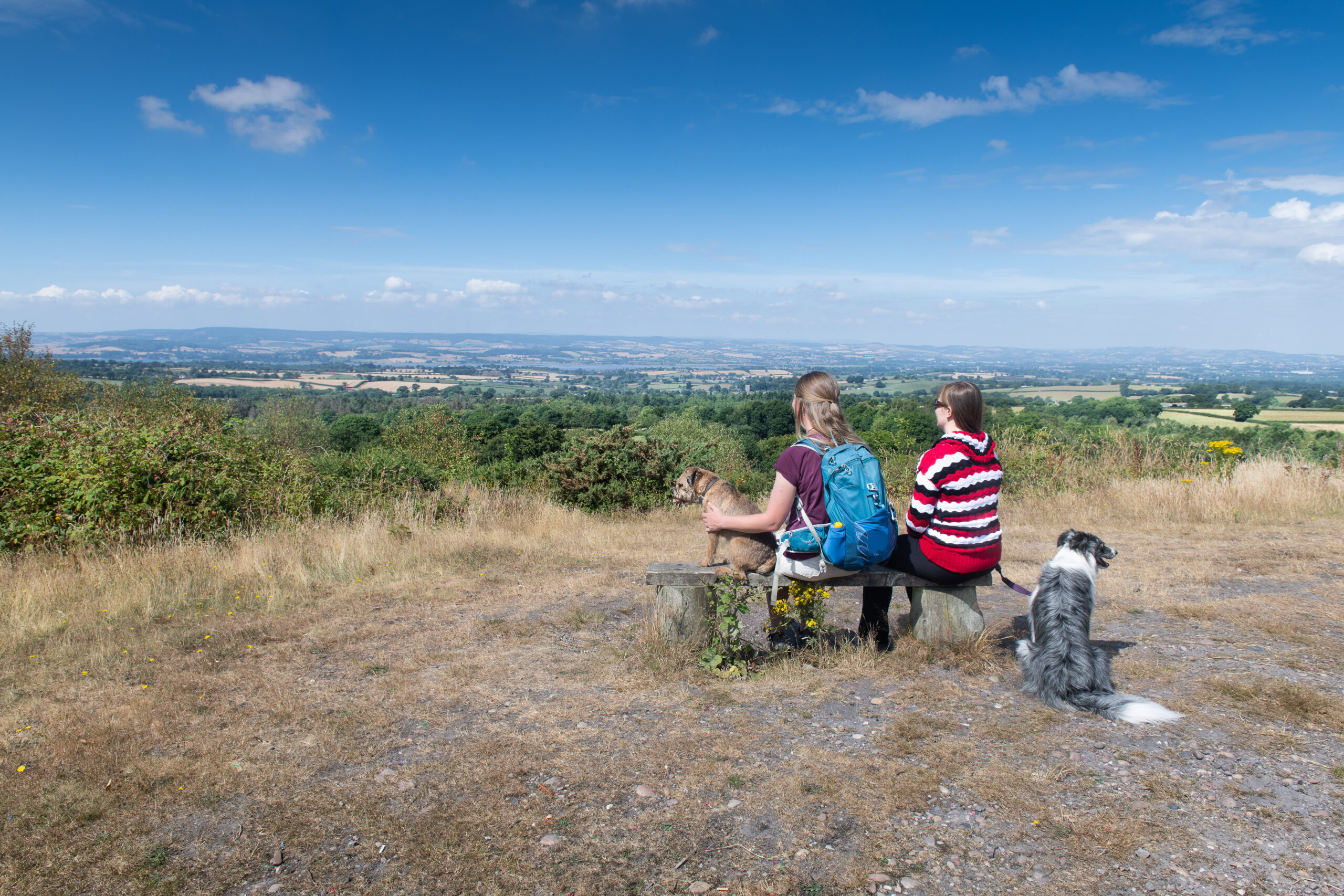
Community Engagement: Bringing people together through nature
Community engagement sits at the heart of the Pebblebed Heaths Conservation Trust. These landscapes don’t just support wildlife, they support people the people in our communities, too. Our work is rooted in the belief that when people feel connected to the Heaths and the Otter Estuary, they become lifelong advocates for their protection.
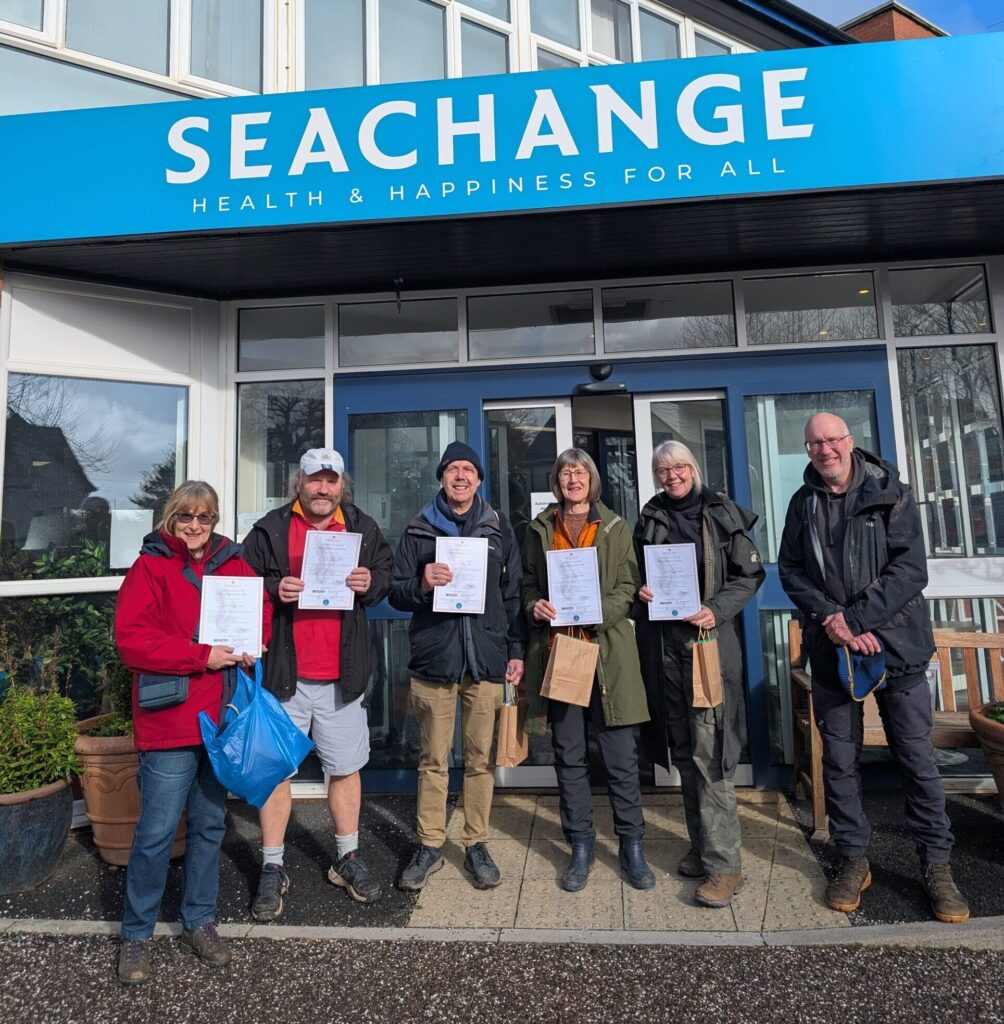
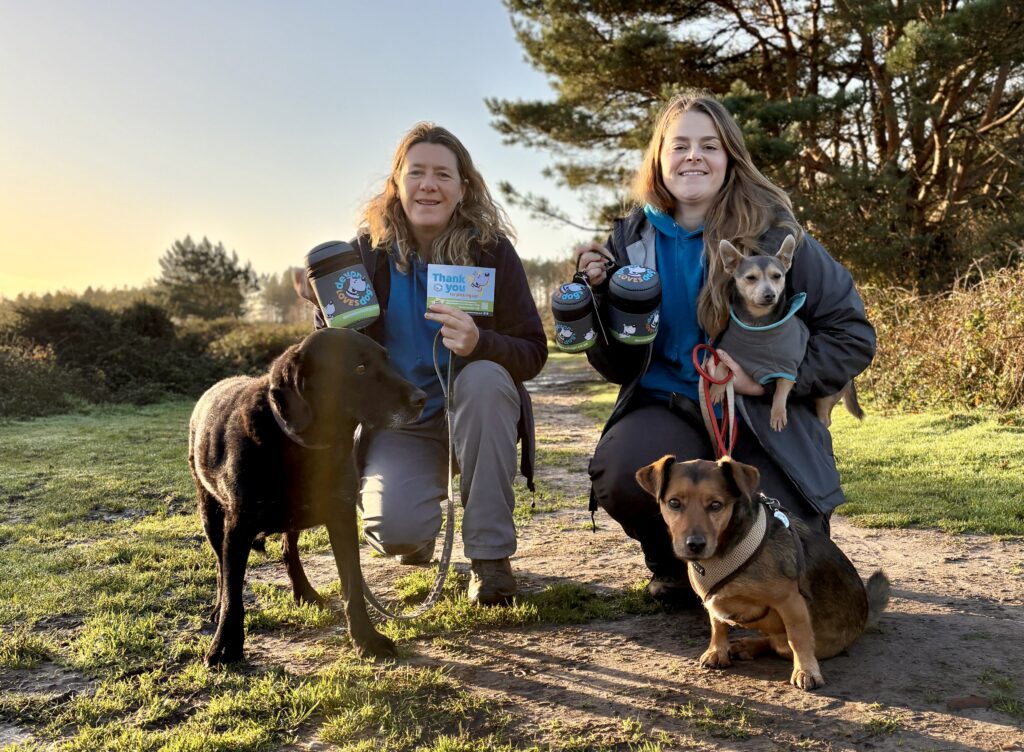
Across the year, we run a growing programme of events, workshops, and volunteer opportunities designed to welcome people into the landscape, build understanding, nurture confidence outdoors, and create shared moments of discovery.
Community involvement strengthens everything we do. It:
- builds public understanding of conservation challenges
- deepens people’s emotional connection to the land
- supports heritage protection through volunteer action
- provides essential capacity across habitat restoration projects
- fosters the next generation of conservationists
- ensures that local people’s needs, ideas, and voices shape the future
From seasonal celebrations to handson learning, our activities help people form meaningful relationships with nature, which is essential to the longterm care of both the Heaths and the Estuary.
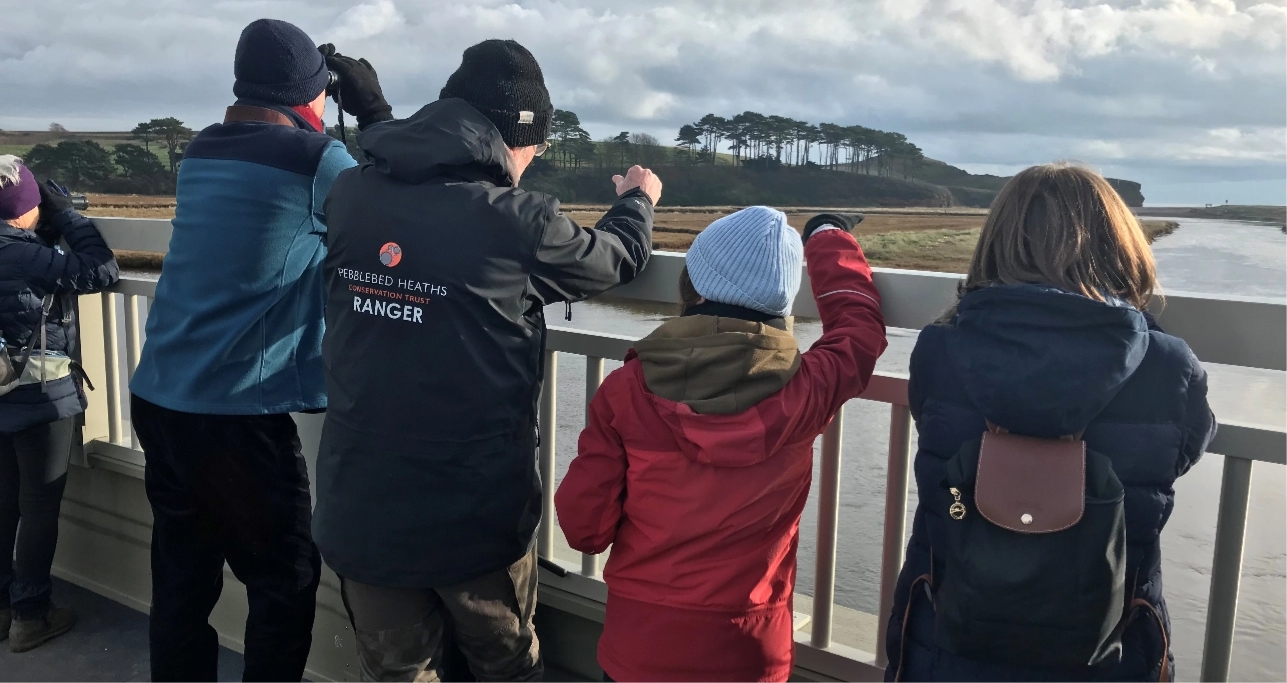
Youth Rangers – Growing the Next Generation of Conservationists
Our Youth Rangers programme gives young people handson experience in conservation, helping them build skills in habitat management, species surveying, and outdoor confidence. We hope that we’re inspiring the next generation of environmental leaders!
Alongside practical tasks like cutting scrub, maintaining paths, or creating habitat piles, Youth Rangers learn about:
- how the Pebblebed Heaths’ ecosystems function
- the challenges of climate impacts and rising visitor pressure
- the importance of species like Dartford Warbler and Southern Damselfly
- the role of citizen science in longterm monitoring
The programme helps young people feel that these landscapes belong to them and that they belong here, too.
Pebblebed Youth Rangers is made possible through the Pebblebeds For All project. Pebblebeds For All is made possible through support from The National Lottery Heritage Fund.

Projects
Pebblebeds For All – a place where people and nature thrive
Pebblebeds for All – a place where people and nature thrive – is an exciting 3-year project led by the Pebblebed Heaths Conservation Trust which launched in January 2024 and concludes in December 2026.
Read more
The Pebblebeds For All project has been supported with more than £190,000 by The National Lottery Heritage Fund thanks to money raised by National Lottery players. The total value of the project exceeds £340,000, with a contribution from the East Devon Pebblebed Heaths Conservation Trust of over £150,000.
The Pebblebeds for All project will ensure the Pebblebed Heaths National Nature Reserve is inclusive and accessible. Improving access, engagement, and education opportunities with a wide range of stakeholders was identified as a priority in the recently developed Pebblebed Heaths National Nature Reserve (NNR) Master Plan. Existing and new visitors will be given opportunities to deepen their connections with this special conservation site and take positive action for nature.
Project Objectives:
- Connect individuals, groups, and businesses to the special qualities of the Pebblebed Heaths – building and re-affirming strong and meaningful relationships with the unique heritage, habitats and wildlife of this special place.
- Provide new opportunities to enable a broader range of people to take positive actions for nature on this nationally important conservation area.
- Strengthen local pride in the Pebblebed Heaths NNR and enhance understanding of the vital role it plays in supporting the social, economic, health and wellbeing of people across East Devon.
- Create a culture of responsible enjoyment for all so local people feel connected, confident, and skilled to play their part, ensuring this unique heritage is protected today and for the future.
Pebblebed Youth Rangers is made possible through the Pebblebeds For All project. Pebblebeds For All is made possible through support from The National Lottery Heritage Fund.
Heaths to Sea: Landscape Recovery of the Lower Otter Valley
The Heaths to Sea project seeks to build ecological connectivity and habitat restoration through the agricultural hinterlands of the Pebblebed Heaths National Nature Reserve.
Read more
The ambition of the project, led by Clinton Devon Estates, is to restore natural processes to the floodplain of the River Otter for the benefit of wildlife and people. This includes the restoration of wetland habitat at scale. Pebblebed Heaths Conservation Trust is a partner in this 2-year Project Development Phase (2024-2026), working to develop a detailed, fundable proposition for restoring and connecting wildlife habitats across approximately 4,000 hectares of the lower Otter catchment.
The goal is that this multi-functional landscape will also meet the needs for food, timber, clean water and access alongside the mitigation of climate change effects such as flooding. This project is led by Clinton Devon Estates.
Lower Otter Restoration Project: Meeting the challenges of climate change
The Lower Otter Restoration Project has created a more natural, climateresilient estuary for wildlife and visitors alike. The work includes 55 hectares of new mudflat and saltmarsh, improved access and paths, provided a new car park, raised South Farm Road, and provided for the sensitive relocation of Budleigh Salterton Cricket Club. A new 70metre breach now allows the river to flow more naturally, helping wildlife thrive and reducing future flood risk. Delivered in partnership with Clinton Devon Estates and the Environment Agency, the restored estuary is now cared for by the Pebblebed Heaths Conservation Trust as part of the Pebbebed Heaths National Nature Reserve.
Read more
The Lower Otter Estuary is one of East Devon’s most cherished natural places – a landscape shaped by tide and time, rich in wildlife, and visited by tens of thousands of people each year. In recent decades, however, the estuary has faced increasing pressure from climate change, including rising sea levels, more frequent flooding and the growing strain on ageing historic embankments. The need for long‑term, nature‑led adaptation became increasingly clear.
The Lower Otter Restoration Project was created to secure the future of this special landscape. Working closely with local communities and partner organisations including the Environmental Agency and Clinton Devon Estates, the project set out to restore natural processes, reconnect the river with its floodplain, create new wildlife habitat and build resilience for the generations to come.
With planning approval granted in January 2021, construction began later that spring. The project is now complete, and the transformed estuary is already showing the benefits of a healthier, more naturally functioning landscape.
Part of an International Programme of Climate Adaptation
The project received approximately £8.5 million from the EU’s Interreg France (Channel) England Programme, co‑financed by the European Regional Development Fund. It formed one of two pilot sites within PACCo – Promoting Adaptation to Changing Coasts, a cross‑border initiative with a total budget of €25.8 million.
PACCo demonstrates a powerful shared message: acting early and adapting to climate change is far better — and far less costly — than waiting for damage to occur. The Lower Otter Valley in East Devon and the Saâne Valley in Normandy now stand as leading examples of nature‑based climate adaptation in action.
To explore PACCo’s work, stories from both sites, and project updates, visit www.pacco‑interreg.com.
Support our Work or Volunteer with Us
Jump to:
Latest news
Stay updated with our recent articles and insights.